

For a Target supplier, sending an invoice is only one part of getting paid.
Your invoice has to line up with the purchase order, shipment, ASN, receiving records, and payment. When one piece is wrong, you can end up with a rejected invoice, delayed payment, or a deduction you did not expect.
So, how does the Target vendor invoice process actually work?
Here’s the simple version:
PO → Shipment → ASN → EDI 810 → Receiving → Payment → Reconciliation
Let’s break down what happens at each stage and where suppliers usually run into trouble.
What Is a Target Vendor Invoice?
A Target vendor invoice is the billing transaction a supplier sends to Target for goods or services provided.
For suppliers using EDI, this is normally sent as an EDI 810 invoice rather than a paper or PDF invoice.
The important part is that your invoice does not stand alone. Target can compare it against information such as:
- Purchase order details
- Shipment and ASN information
- Receiving records
- Payment and remittance details
- Deductions or adjustments
When those records do not match, payment problems can follow.
What Is an EDI 810 Invoice for Target?
An EDI 810 is the electronic invoice a vendor sends to Target.
It communicates structured invoice information such as the invoice number, PO reference, quantities, pricing, and total amount.
In Target’s EDI workflow, the 810 comes after the purchase order and shipment-related transactions. That means invoice accuracy depends on what happened earlier in the order lifecycle.
For a deeper breakdown of Target’s EDI requirements, see our guide to Target EDI Requirements.
EDI 850 vs. 856 vs. 810
It helps to think of the three documents this way:
|
EDI |
What it means |
|
850 |
What Target ordered |
|
856 |
What the vendor says it shipped |
|
810 |
What the vendor is billing |
When those three records do not line up with what Target receives, the invoice can require manual review or lead to a payment issue.
How Does the Target Vendor Invoice Process Work?
1. Target sends the purchase order
The PO establishes the basic transaction details, including items, quantities, pricing, location, and delivery requirements.
Use the PO as the starting point for everything that follows.
2. The vendor ships the order
The vendor prepares and ships the merchandise.
At this point, check that the physical shipment matches the information being transmitted electronically. Small shipment errors can become larger receiving and payment problems later.
3. The vendor sends the ASN
The EDI 856 or Advance Ship Notice (ASN), tells Target what is coming before the shipment arrives.
The ASN needs to accurately reflect the shipment. Errors in quantities, carton details, or other shipment information can create compliance issues and deductions.
4. The vendor sends the EDI 810
The vendor then sends the electronic invoice to Target.
This is where invoice data needs to match the underlying transaction. A mismatch in PO, quantities, pricing, or other required information can stop the invoice from moving cleanly through processing.
5. Target receives the merchandise
Receiving matters because payment is not based only on what you billed.
If Target records fewer units than you invoiced, for example, the difference can affect the amount eventually paid.
6. Payment is processed
Once the invoice and receiving information meet the applicable requirements, payment moves according to the supplier’s payment terms.
This is why an invoice can appear correct on your side but still remain unpaid.
7. The vendor reconciles the payment
Finally, compare:
Invoice amount → Expected payment → Actual payment → Deduction/adjustment
This is where many suppliers discover the real problem.
How Can Target Vendors Check Invoice Status?
When an invoice has not been paid, do not start by asking, “Where is my money?”
Start with: Where did the transaction stop?
Check:
- Was the EDI 810 transmitted successfully?
- Was it accepted or rejected?
- Was the shipment received?
- Has the invoice reached the payment stage?
- Was payment issued?
- Was a deduction or adjustment applied?
Target suppliers can use Target Partners Online (POL) and their own EDI, shipment, receiving, and payment records to trace the transaction.
For more on POL and the tools available to suppliers, read Target Partners Online: A Complete Guide for Suppliers.
Why Is My Target Vendor Invoice Unpaid?
An unpaid invoice does not always mean Target simply missed a payment.
Common causes include:
- EDI transmission or invoice errors
- PO and invoice mismatches
- Shipment or receiving discrepancies
- An invoice that has not reached the correct processing stage
- Account or invoice holds
- Missing receipt information
- Deductions or other payment adjustments
The best way to troubleshoot the issue is to trace the invoice from EDI submission to receiving to payment.
Target Vendor Invoice Errors to Watch For
Some invoice problems show up again and again.
PO and invoice mismatch
The PO number, quantities, item details, pricing, or other transaction information may not match.
Quantity mismatch
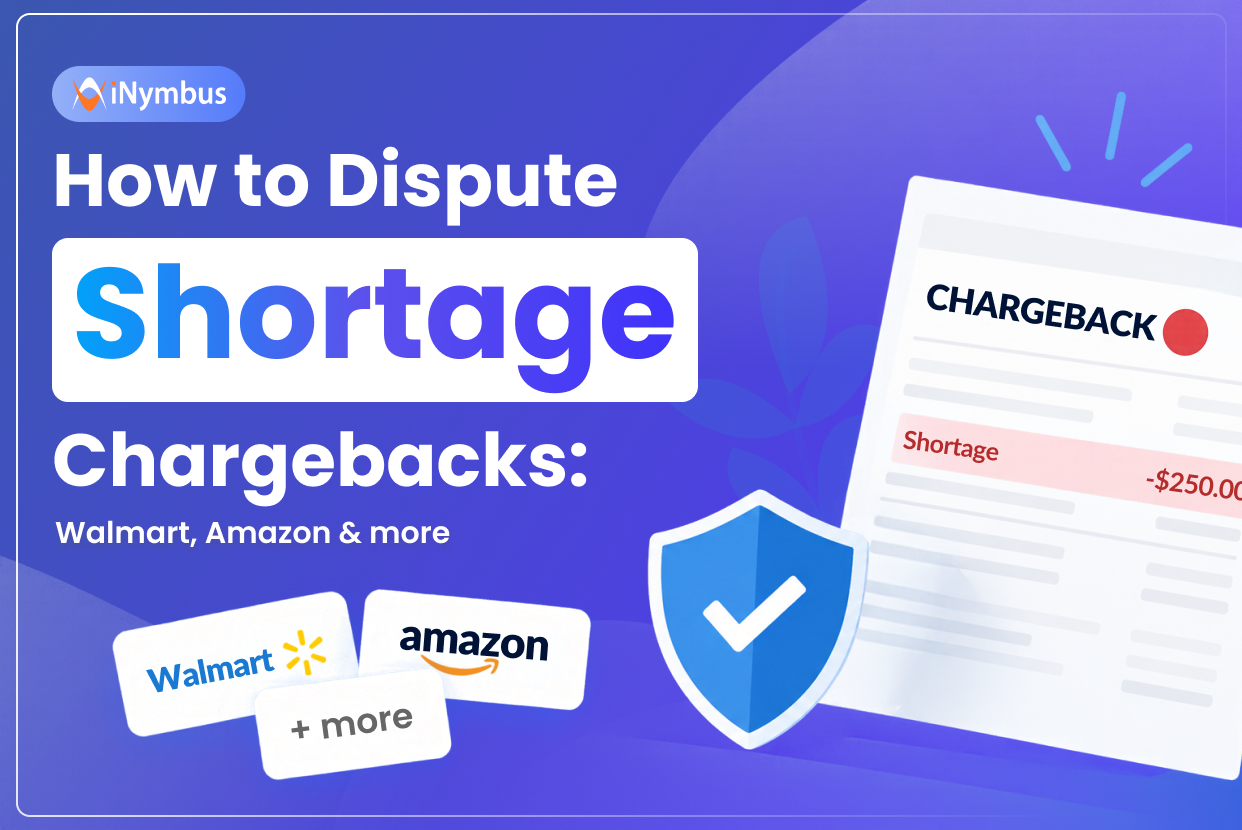
You invoice for 100 units, but Target records 96 received.
The invoice may be correct based on what you shipped, but the receiving difference can still affect payment.
Pricing discrepancy
The invoiced amount does not match the applicable cost or agreement.
EDI 810 error
The invoice may contain incorrect, missing, or invalid data, or the transmission itself may fail.
Duplicate invoice
The same invoice is submitted more than once, creating an additional transaction that has to be reconciled.
Target Invoice Rejection vs. Deduction
These are two different problems.
An invoice rejection generally means the invoice did not successfully move through processing.
A deduction means the payment is reduced by an adjustment or charge.
That distinction matters because the next step is different.
For a rejection, investigate the invoice and EDI data.
For a deduction, investigate the payment, shipment, receiving records, and deduction reason.
You can also use the Complete Target Deduction Codes List to understand how Target categorizes deductions.
How Do You Resolve a Target Vendor Invoice Problem?
A simple workflow can save a lot of back-and-forth:
1. Find the invoice:
Keep the invoice number, PO, date, and amount together.
2. Compare it with the PO:
Check pricing, quantities, and item information.
3. Check the ASN and shipment:
Make sure the shipment matches what was billed.
4. Check receiving:
Look for shortages or other receiving differences.
5. Review payment and remittance:
See whether payment was issued and whether the amount changed.
6. Research deductions:
Identify the reason and support the transaction.
Gather documentation:
Keep the PO, EDI records, ASN, shipment documents, proof of delivery, invoices, remittance, and deduction details.
8. Submit dispute:
Submit the appropriate correction or dispute.
9. Track the outcome:
A dispute is not finished just because it was submitted.
Can Target Vendor Invoice Management Be Automated?
It can be and this is where things get much easier for high-volume suppliers.
When your team is manually checking invoices, EDI records, shipments, receiving data, payments, and deductions across multiple systems, it becomes easy to miss an exception.
Automation can help you:
- Find unpaid invoices
- Identify invoice exceptions
- Match PO, shipment, and invoice data
- Detect deductions
- Centralize documentation
- Track disputes and recoveries
- Spot recurring causes of payment problems
The real goal is not just to automate invoice submission.
It is to create visibility from PO to payment.
How iNymbus Helps Target Vendors
For Target suppliers, the hard part often starts after the invoice is sent.
You still need to know:
What happened? Why did it happen? What needs to happen next?
iNymbus helps suppliers connect invoice, shipment, receiving, payment, and deduction information so teams can spend less time searching through records and more time resolving exceptions and recovering revenue.
Instead of treating every short payment or deduction as a separate problem, you get a clearer view of the entire transaction.
Book a discovery call or contact iNymbus to see how automation can fit into your existing AR process.
Final Takeaway
A Target vendor invoice is not just an invoice.
It is one part of a larger transaction that runs from purchase order to shipment, ASN, EDI 810, receiving, payment, and reconciliation.
When something goes wrong, searching for the invoice alone is usually not enough.
You need visibility across the full transaction.
That is how suppliers find payment problems faster, resolve deductions more efficiently, and reduce the same issues from happening again.
Frequently Asked Questions
Still Chasing Deductions Manually?
Recover lost revenue with iNymbus automation


.webp)