Walmart runs one of the most complex logistics networks in the world. What separates Walmart from other retailers is not only scale, but discipline. Every shipment follows predefined rules. Every rule is enforced by systems. Every exception creates data. That data ultimately drives performance scores, deductions, and long-term supplier health.
For suppliers, Walmart logistics is not a single process. It is an interconnected system that ties physical product movement, digital documentation, and financial accountability together.
What Is Walmart Logistics
Walmart logistics refers to the systems and processes Walmart uses to move products from suppliers to distribution centers, stores, and customers.
Unlike many retailers, Walmart controls most inbound transportation and receiving operations. Suppliers are required to follow Walmart-defined rules for packaging, palletization, routing, shipping dates, and documentation.
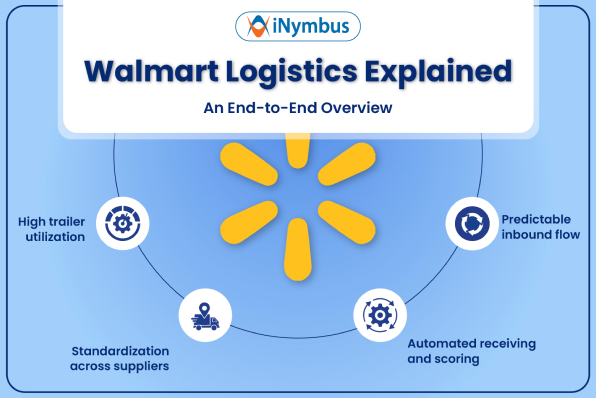
Walmart logistics focuses on:
- Standardization across suppliers
- High trailer utilization
- Predictable inbound flow
- Automated receiving and scoring
Purchase Orders in Walmart Logistics
Purchase orders are the foundation of Walmart logistics.
Each Walmart purchase order defines:
- Items and quantities ordered
- Vendor pack and case configuration
- Shipping origin and destination
- Freight terms
- Required shipping and arrival dates
Walmart’s systems use the purchase order as the baseline for all logistics validation. Any mismatch between the shipment, ASN, invoice, and PO is treated as a compliance issue unless corrected or disputed.
Walmart Shipping Dates: DNSB and MABD
Walmart's logistics is driven by strict shipping windows.
Two dates matter most:
DNSB means Do Not Ship Before. Shipping earlier than this date is considered noncompliant.
MABD means Must Arrive By Date. This is the final date Walmart expects the shipment to arrive at the destination.
MABD is calculated using supplier processing days and transit time from the ship point. If transit assumptions are incorrect, a shipment can miss MABD even when it leaves the supplier facility on time.
Transportation Routing and Load Assignment
To collect freight, suppliers must confirm shipments in Walmart’s transportation system.
Confirming shipment tells Walmart:
- The exact quantity of shipping.
- Pallet or cube space required.
- When will the product be ready for pickup?
After confirmation, Walmart assigns the carrier, load number, and pickup date. Suppliers are required to follow the routing instructions exactly and monitor the routing status for changes.
Missed pickups, incorrect loading methods, or late readiness often result in service failures that are recorded by Walmart systems.
Walmart ASN Requirements
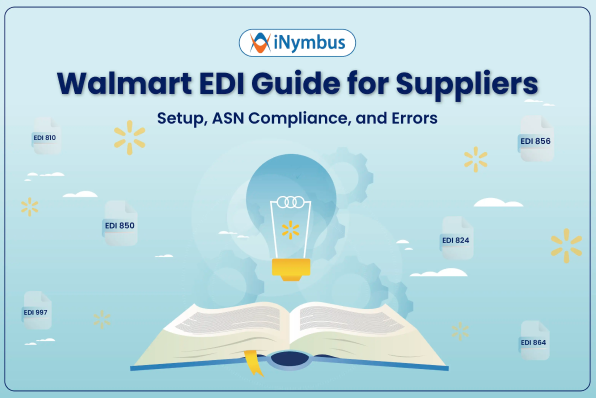
An Advance Ship Notice, or ASN, is required for Walmart inbound shipments.
The ASN provides Walmart with advanced visibility into:
- What items are shipping
- How many cases and pallets are included
- How the shipment is structured
Upon receiving, Walmart compares the ASN to the physical shipment and the purchase order. If the ASN is missing, late, or inaccurate, Walmart may record shortages even when the product arrives correctly.
Receiving and Inventory Reconciliation
Walmart distribution centers are designed for speed. Receivers rely on system data rather than manual investigation.
If the physical receipt does not match the ASN or PO, Walmart records a discrepancy and moves on. That discrepancy becomes a shortage, overage, or compliance issue in Walmart’s system.
OTIF in Walmart Logistics
OTIF stands for On Time In Full. It is Walmart’s primary supplier performance metric.
To meet OTIF requirements, a shipment must:
- Arrive within the MABD window
- Be received in the full quantity ordered
If either condition fails, the shipment is considered noncompliant.
OTIF is measured automatically. Repeated OTIF failures can lead to fines, reduced replenishment, and increased audit activity.
SQEP and Supplier Performance
SQEP, or Supplier Quality Excellence Program, evaluates supplier performance over time.
SQEP incorporates:
- OTIF trends
- Shipping accuracy
- Consistency and reliability
Logistics-related deductions and OTIF failures directly impact SQEP scores. As SQEP declines, suppliers often experience tighter enforcement and less operational flexibility.
Walmart Deductions and Chargebacks
Deductions and chargebacks are the financial outcome of Walmart's logistics failures.
Common logistics-related deductions include:
- Shortage claims
- Late shipment penalties
- OTIF fines
- ASN inaccuracies
- Packaging and routing violations
Most deductions are system-generated and issued automatically. Without clear visibility into logistics data, suppliers often struggle to identify root causes or recover revenue.
How to Manage Walmart Deductions at Scale
As Walmart's logistics become more automated, managing deductions manually has become increasingly difficult. Most deductions are system-generated, time sensitive, and tied to multiple data sources rather than a single shipping event.
To manage Walmart deductions effectively, suppliers must reconcile data across:
- Purchase orders
- ASNs
- Shipping confirmations
- Receiving records
- Performance metrics such as OTIF
When these data points are reviewed in isolation, identifying root causes and disputing deductions becomes challenging.
iNymbus is built to support deduction management at scale for high-volume retailers like Walmart. Using Robotic Process Automation, the platform identifies, validates, and processes chargebacks by matching shipment and labeling data against retailer-specific requirements and assembling dispute packages with minimal manual effort.
It also supports deduction workflows across other major retailers, including Amazon, The Home Depot, and Target.
With automation in place, suppliers can:
- Automatically submit complete dispute packages
- Improve recovery timelines
- Reduce manual compliance and finance workload.
- Gain visibility into recurring labeling and documentation issues
To learn how automated deduction management can support your Walmart operations, contact us.