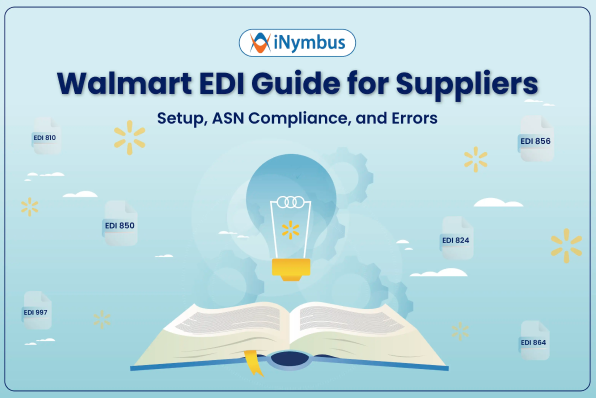
Walmart Drop Ship Vendor (DSV) seller knows the pain of a high-volume, performance-focused environment. At DSV, orders are moved daily. On the other hand, Walmart automatically assigns carriers, and the system tracks supplier performance against strict operational standards.
To keep up with this, you must keep
- Accurate inventory feeds
- Ship orders on time
- Follow assigned carrier methods
- Monitor performance metrics in Supplier One regularly
- to stay compliant with it.
Walmart DSV chargebacks and shipping deductions are started following you, when inventory numbers are off, shipments go out late, or carrier requirements are not followed.
Those deductions directly affect revenue, cash flow, and overall account performance.
Most DSV chargebacks do not start in finance.
They begin in daily operations.
Here We’re going to discuss:
- How the Walmart Drop Ship Vendor (DSV) program works
- Why do DSV chargebacks and shipping-related deductions occur
- What you can do to reduce risk before it impacts your bottom line
If you manage Walmart DSV operations, review Supplier One reports, or handle chargeback disputes, understanding this workflow is the first step toward protecting revenue.
What is Walmart Drop Ship Vendor (DSV)
A Walmart Drop Ship Vendor is a supplier that fulfills Walmart.com customer orders directly from its own warehouse rather than shipping inventory to Walmart distribution centers.
In simple terms:
- Walmart manages the customer relationship.
- You manage fulfillment execution.
- Walmart measures performance constantly.
Unlike traditional warehouse suppliers, DSVs carry full responsibility for inventory accuracy, shipping timelines, carrier compliance, and operational consistency.
That control gives you flexibility.
It also creates risk if processes aren’t tight.
How the Walmart DSV Process Works End to End
Understanding the DSV workflow helps you to understand why chargebacks happen later.
Here’s what occurs behind the scenes:
- A customer places an order on Walmart.com.
- Walmart routes the order to your warehouse via Supplier One.
- Walmart assigns the carrier and service level.
- You pick, pack, and ship the order.
- Your team sends tracking and shipment confirmation back to Walmart.
- Walmart evaluates performance against DSV metrics.
Walmart timestamps and monitors every step.
If inventory numbers are wrong, a carrier scan is delayed, or an order ships late, and than DSV chargeback may show up after a few weeks.
Supplier One: The Operational Control Center
Supplier One is more than a dashboard. It is the operational backbone of the Walmart DSV program.
Suppliers use it to:
- Receive and manage drop ship orders
- Maintain warehouse locations and business hours
- Submit holiday closures
- Monitor DSV performance metrics
- Review compliance notices and deductions
One common mistake suppliers make is treating Supplier One as a reporting portal instead of a live operational system.
So, what’s actually is,
- Outdated warehouse hours
- Incorrect ship-from locations
- Missing closure notifications
These kinds of small oversights can directly lead to late shipments and compliance deductions.
Core Walmart DSV Requirements
Walmart sets clear expectations for Drop Ship Vendors. These are not suggestions. They are performance requirements that need to be fulfilled accurately.
1. Accurate Daily Inventory Feeds
Inventory must be updated consistently and accurately. Showing stock that isn’t actually available leads to rejected orders, cancellations, and performance penalties.
2. Ship On or Before the Expected Ship Date
Late shipments are one of the top causes of DSV chargebacks. Even if the order arrives on time, missing the expected ship date can still trigger a fee.
3. Use Assigned Carrier and Service Level
Walmart assigns carriers based on cost, speed, and customer promise. Using a different carrier or upgrading service without approval can result in deductions.
4. Ship From Approved Warehouse Locations
Orders must ship from locations configured in Supplier One. Shipping from an unapproved warehouse may impact routing and performance metrics.
5. Follow Packaging Guidelines
DSVs must use plain, compliant packaging. Branded inserts or marketing materials can create compliance issues.
When suppliers struggle with these areas at scale, DSV chargebacks follow.
What Are DSV Chargebacks and Why Do They Happen?
Walmart applies a DSV chargeback when a supplier fails to meet performance or compliance standards.
Common causes include:
- Late shipments
- Inventory Discrepancies
- Order rejections or backorders
- Carrier non-compliance
- Missing tracking confirmation
- Early or late delivery outside thresholds
Many suppliers begin researching freight chargebacks or shipping invoice disputes only after these deductions appear.
In the Walmart DSV model, operational mistakes usually trigger chargebacks.
Finance sees the deduction.
Operations caused the issue.
How Logistics and Freight Forwarding Impact DSV Chargebacks
For suppliers using third-party logistics providers, global freight forwarders, or international shipping services, the risk increases.
Questions suppliers often ask include:
- What is a chargeback in freight forwarding?
- How do I dispute a shipping-related deduction?
- How do large logistics providers handle payment disputes?
The challenge is data alignment.
If carrier scans are delayed or tracking is not updated on time, Walmart may mark the order as late, even if you shipped it on time.
That’s where shipping chargeback disputes begin.
If an order is shipped via FedEx and misses the assigned service level agreement or expected ship date (ESD), Walmart may issue a chargeback, and iNymbus can also automate FedEx freight claim filing to help recover eligible losses.
How to Prevent Walmart DSV Chargebacks
Prevention is always easier than dispute resolution.
Here are practical strategies suppliers use:
Strengthen Inventory Controls
Validate inventory feeds before submission. Even small mismatches can trigger order rejections.
Monitor Expected Ship Dates Daily
Set internal alerts before Walmart’s deadline hits.
Audit Carrier Compliance
Ensure warehouse teams use assigned service levels without substitution.
Align Operations and Finance
Operations teams should understand how fulfillment impacts deductions. Finance teams should understand where deductions originate.
Review Performance Metrics Weekly
Waiting for monthly reports increases risk. Frequent monitoring allows earlier correction.
Chargeback prevention is an operational discipline.
How Suppliers Handle DSV Chargeback Disputes
When deductions occur, suppliers typically:
- Review shipment timestamps
- Validate carrier scans
- Check inventory feed logs
- Gather documentation
- Submit disputes through the Walmart portals
The process can be manual and time-consuming, especially at high order volumes.
That’s why many suppliers look for software that brings order data, shipping records, and deductions into one place.
How iNymbus Helps Walmart DSVs Manage Chargebacks
Understanding the Walmart DSV process is the first step. Managing DSV chargebacks at scale is the real challenge.
iNymbus can automatically help dispute DSV chargebacks on your behalf instead of you handling them manually.
In the Walmart Supplier One platform, most DSV chargebacks, especially performance and compliance-related ones like late shipments or reject fees, can be disputed by creating a support ticket inside the portal.
Manual Dispute Process in Supplier One:
- Submit a support case under the appropriate payment category
- Provide justification and supporting documents
- Wait for Walmart to review and respond
How iNymbus Automates It:
- Automatically captures DSV chargebacks
- Collects required shipment and compliance data
- Submits disputes through the correct Walmart portal using RPA
- Tracks case status until resolution
No manual portal logins.
No repetitive documentation work.
No internal follow-ups required.
For Walmart DSVs handling high order volume, structured deduction management protects revenue and reduces workload, without hiring more staff.
Final Thoughts: Why Understanding DSV Comes First
Before exploring dispute tools or automation, understand the Walmart Drop Ship Vendor model first.
DSV chargebacks are not random. They result from operational gaps.
If you are researching Walmart DSV chargebacks, freight disputes, or Supplier One performance risks, you are already identifying the right problems.
The next step is building systems that prevent deductions before they impact revenue.
In the DSV model, operational clarity protects profit.
Frequently Asked Questions
Still Chasing Deductions Manually?
Recover lost revenue with iNymbus automation