
Walmart SQEP defects are not subjective judgments, and they are not applied at the time a purchase order is created or when a truck is dispatched.
They are used after freight enters Walmart’s inbound network, based on what is physically and digitally observed during receiving and post-receiving processing.
Below is the whole process explained step-by-step.
1. SQEP Begins Before the Truck Arrives
Although Walmart SQEP defects are recorded at receiving, evaluation begins earlier during Confirm Shipment and routing execution.
Suppliers are responsible for:
-
Accurate Confirm Shipment data
-
Correct cube, weight, pallet count, and loading method
-
Execution exactly as instructed in the Routing Status
When shipment data is incorrect at this stage:
-
Routing optimization may fail
-
Incorrect equipment or appointment times may be assigned.
-
Receiving expectations may not align with physical freight
These upstream issues frequently lead to downstream SQEP defects, even when packaging appears compliant.
2. The First Physical Evaluation Happens at the Dock
SQEP defects are applied when freight is presented for unloading at the distribution center.
Upon receiving, Walmart associates evaluate:
-
Load safety and stability
-
Pallet condition and build
-
Label and barcode visibility
-
Segregation and SKU accuracy
-
General receivability
If freight cannot be unloaded using standard dock procedures, a SQEP failure is triggered. Inbound freight is expected to be ready for unloading without intervention.
Any deviation introduces labor and risk that SQEP is designed to measure.
3. Rework Automatically Triggers Defects
Rework is one of the most misunderstood aspects of SQEP.
If Walmart associates must:
-
Rewrap pallets
-
Restack or rebuild loads
-
Relabel cases
-
Separate mixed SKUs
-
Manually count cases
-
Stabilize unsafe pallets
A defect is recorded.
Freight may still be received and moved into inventory. That does not negate the defect. SQEP measures the effort required to receive freight, not the outcome.
4. Defects Are Applied at the Case and Pallet Level
SQEP defects are not always applied on a per-purchase-order or per-shipment basis.
Defects may be recorded at:
-
Case level
-
Pallet level
-
Load level
For example:
-
Ten cases with unreadable barcodes can generate ten defects
-
One unstable pallet can generate a pallet-level defect.
-
A mixed pallet may result in multiple segregation defects
Suppliers are accountable for how freight is physically built and presented, not simply whether it ultimately reaches stores.
5. Barcode and Label Failures Are Logged Immediately
Barcodes and labels are evaluated as freight enters receiving and automated handling systems.
If barcodes:
-
Are missing
-
Cannot be scanned
-
Are covered by stretch wrap
-
Do not match item setup.
Automation stops, and manual processes begin.
At that point:
-
A barcode defect is logged
-
Rework labor is recorded.d
-
Additional handling may result in further defects
Accurate identification is foundational to inbound flow.
6. Data Errors Convert Into Physical Defects
SQEP does not separate digital errors from physical execution.
When ASN or Confirm Shipment data is incorrect:
-
Receiving associates must manually verify quantities.
-
Freight may be held or reprocessed.
-
Inventory accuracy is a compromised.
Even when boxes and pallets are physically compliant, data mismatches create SQEP defects because they force manual intervention.

7. Routing Deviations Become SQEP Failures
Routing Status instructions are enforced as part of SQEP.
If a supplier:
-
Uses an incorrect carrier
-
Ships outside the assigned pickup window
-
Loads freight incorrectly as floor-loaded instead of palletized
The shipment introduces inefficiency into transportation and receiving operations.
These deviations:
-
Require re-optimization
-
Causes missed or delayed pickups.
-
Increase labor and carrier costs.
SQEP defects are applied because the shipment was not executed as instructed.
8. Post-Receiving Review and Post Audit Claims
Not all SQEP defects are finalized at the dock.
After receiving, Walmart may:
-
Review rework labor
-
Analyze accessorial charges
-
Evaluate repeated non-compliance
-
Identify network disruptions
When additional cost is confirmed, post-audit claims are issued. This is why some SQEP-related deductions appear weeks after delivery.
Why SQEP Defects Lead to Financial Impact
Suppliers are often surprised by SQEP defects because shipments are accepted, stores are replenished, and no immediate rejection occurs. From a supplier perspective, the delivery appears successful.
SQEP evaluates a different outcome. It does not measure acceptance. It measures the level of intervention required to make acceptance possible. When freight requires additional handling at any point, SQEP records a failure.
Once a defect is applied, the financial impact follows. Rework labor is logged, handling costs are calculated, and accessorial charges may be passed back to the supplier. In cases where cost is confirmed after receiving, post-audit claims are issued.
SQEP defects are the operational trigger. Chargebacks and deductions are the financial outcome.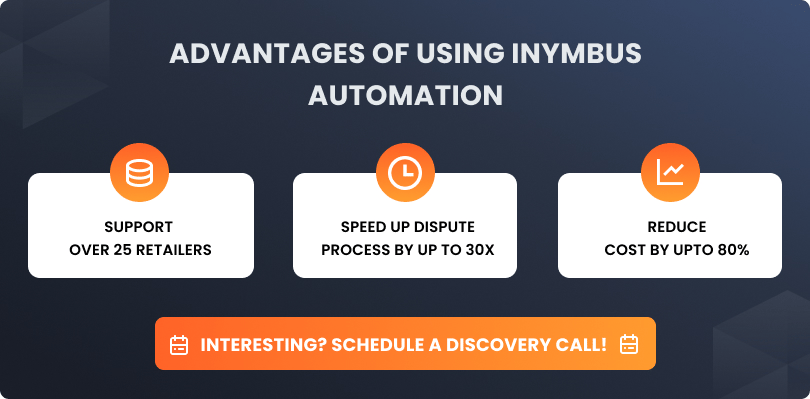
Managing SQEP-Related Fines and Disputes
SQEP defects are part of Walmart’s inbound quality measurement, but the financial impact of those defects is managed through deduction and dispute workflows. These workflows run in parallel with ongoing inbound operations and require consistent attention, accurate documentation, and timely execution.
Even suppliers with strong packaging, routing, and data controls encounter deductions tied to receiving interpretation differences, data mismatches, or system-related issues. Managing these deductions is an operational requirement, not an exception process.
Effective SQEP management requires:
-
Collecting invoices, purchase orders, ASNs, and proof of delivery
-
Aligning physical receiving outcomes with shipment, routing, and item setup data
-
Submitting disputes through Walmart portals within the required timelines
-
Monitoring case status, responses, and resolution trends
As SQEP enforcement increases, the volume of deductions and the complexity of dispute requirements also increase. Manual processes make it difficult to maintain consistency, especially across multiple facilities, SKUs, or business units.
iNymbus supports suppliers by automating SQEP-related deduction and dispute workflows. Using Robotic Process Automation, iNymbus helps standardize documentation collection, submission, and tracking across Walmart programs.
iNymbus enables:
- Centralized organization of required dispute documentation
- Accurate and timely submission of SQEP-related disputes
- Continuous visibility into open, pending, and resolved cases
- Identification of patterns that indicate recurring SQEP exposure
By automating these workflows, suppliers reduce manual effort, improve recovery consistency, and maintain control over SQEP-related financial exposure while inbound operations continue at scale.